Is 100% Silicone Safe for Babies? What Parents Should Know
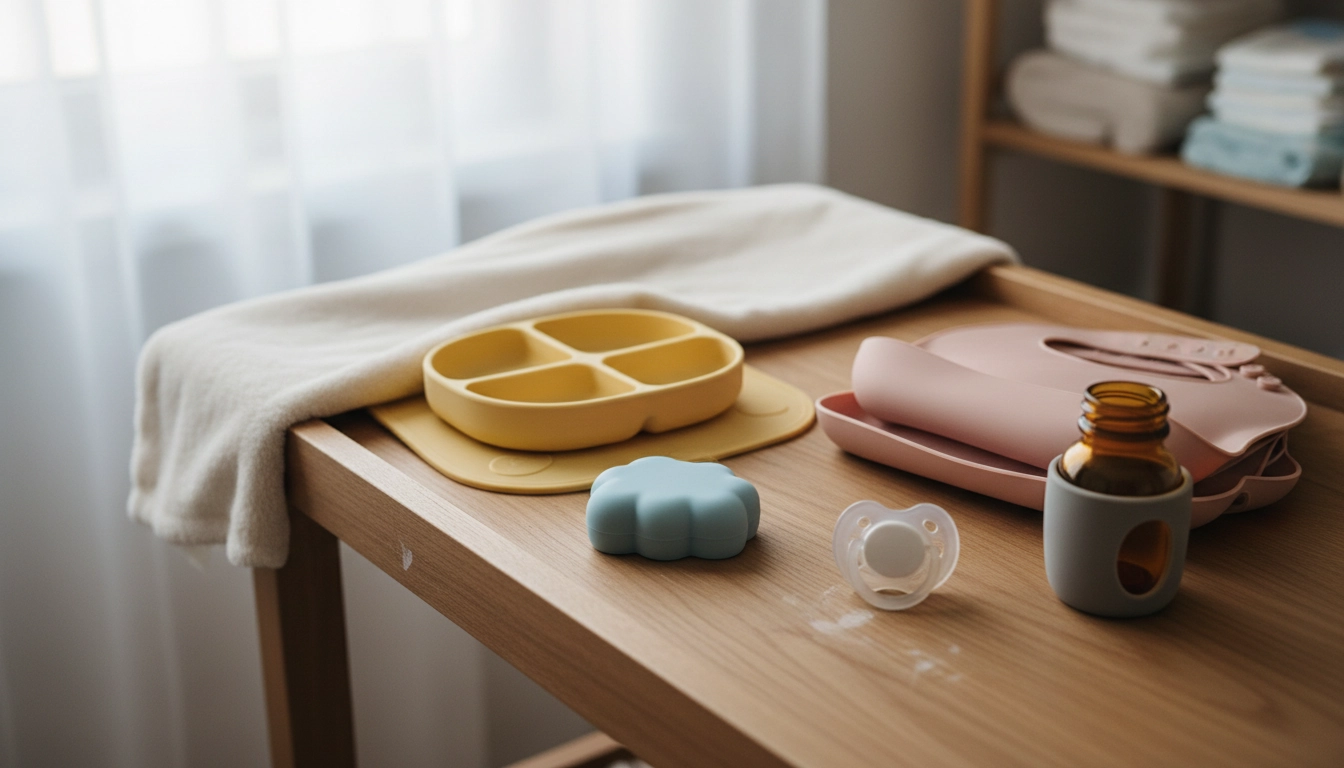
Is 100% silicone safe for babies?
In most everyday baby products, 100% silicone is considered a safe material when it’s properly manufactured and used as directed. Food-grade silicone is valued because it’s durable, flexible, and doesn’t contain BPA, phthalates, or PVC—chemicals many parents try to avoid in items that touch food or a baby’s mouth. You’ll commonly see it in bottle nipples, pacifiers, teethers, and feeding accessories.
That said, “100% silicone” on a label doesn’t automatically guarantee quality. The biggest safety factors are the product’s testing standards, design (to prevent choking hazards), and how it’s cared for over time. If you want a deeper breakdown of what to look for and how to use silicone baby items safely, see this guide on silicone safety for babies.
What makes silicone a good choice for baby items?
Silicone is non-porous, so it’s less likely to harbor bacteria than materials that scratch or absorb moisture. It also holds up well to repeated washing and can tolerate heat, which helps with sanitizing. For teething and feeding, its soft, flexible feel can be gentler on gums than hard plastics.
What should parents watch out for?
Check for reputable compliance claims (such as FDA-compliant, LFGB-tested, or similar third-party testing) and avoid products with strong chemical odors, sticky residue, or shedding. Replace items that develop tears, deep cuts, or thinning areas—especially nipples and pacifiers—since damage can create choking risks or trap residue.
How to use silicone safely day to day
Wash new items before first use, then clean regularly with hot soapy water or per the manufacturer’s instructions. Keep silicone away from sharp utensils that can gouge it, and avoid using damaged pieces. If the product is dishwasher-safe, top-rack cleaning can be convenient, but always follow the care label.
FAQ
How do you clean silicone baby products?
Wash with hot water and mild dish soap, rinsing thoroughly. Many silicone items can also be sanitized by boiling or using a dishwasher if the manufacturer says it’s safe.










Leave a comment