Is Leather 100% Waterproof? Facts, Types, and Care
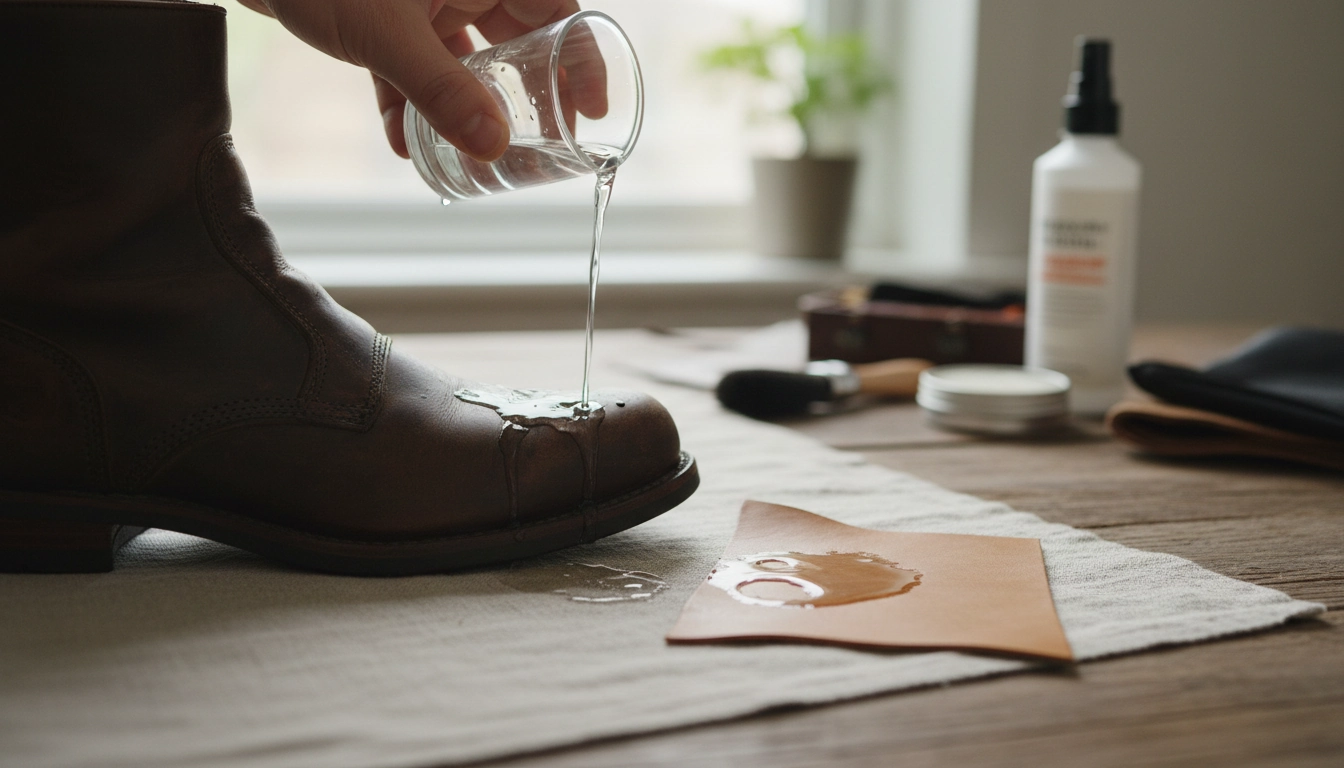
Is leather 100% waterproof?
No—leather is not 100% waterproof. Leather is a porous natural material, so water can work its way through the grain and into the fibers. Some leathers handle moisture better than others, but even the toughest hide can absorb water if it’s exposed long enough or soaked thoroughly.
Why leather isn’t fully waterproof
“Waterproof” means water can’t penetrate at all. Most leather is better described as water-resistant: it can repel light moisture for a short time, especially when the surface is finished or treated. But seams, stitching holes, edges, and worn areas create easy entry points for water, and once moisture gets into the leather, it can lead to stiffening, discoloration, or warping as it dries.
What makes some leather more water-resistant than others
Several factors change how leather performs in wet conditions. Full-grain and top-grain leather often have better durability, while heavily finished or coated leathers may shed splashes more easily. Oil-tanned or waxed leathers usually resist water better than untreated leather, because oils and waxes fill spaces in the fibers and slow absorption. Suede and nubuck tend to soak up water quickly due to their open, textured surface.
How to make leather more water-resistant
You can’t reliably make leather “100% waterproof,” but you can greatly improve protection. Use a leather-safe waterproofing spray (silicone-free options are common for fashion leather), a wax-based conditioner for work boots, or a dedicated leather protectant suited to your item’s finish. Reapply periodically, especially after heavy use. If leather gets wet, let it air-dry at room temperature, then condition it to restore flexibility.
For a deeper breakdown of leather types, treatments, and real-world performance, visit https://ascend.sale/is-leather-waterproof/.
For Is Leather 100% Waterproof? Facts, Types, and Care, the best answer depends on fit, material, care instructions, and how the product will be used day to day.
FAQ
Does waterproofing spray ruin leather?
It can if you use the wrong product or overapply. Always spot-test first, choose a leather-appropriate spray, and avoid saturating the material to prevent darkening or a sticky finish.







Leave a comment