Premium Leather Names: Full-Grain, Top-Grain & More
What is premium leather called?
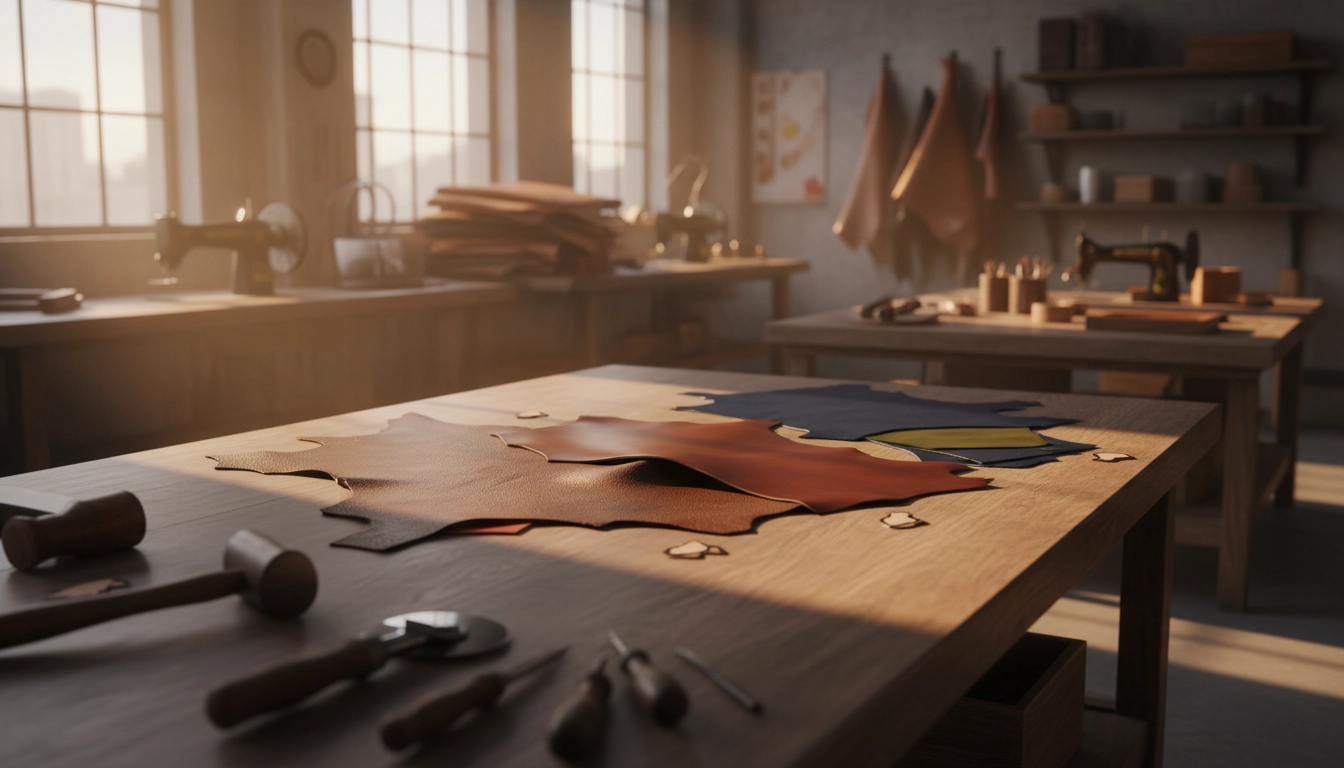
“Premium leather” is often marketed under names that signal higher quality, better feel, and longer wear. Depending on the hide and how it’s processed, premium leather may be called full-grain leather, top-grain leather, aniline leather, or nubuck. These aren’t just fancy labels—they point to real differences in surface, durability, and appearance over time.
Full-grain leather (often the most premium)
Full-grain leather is typically considered the highest-grade leather. It uses the outermost layer of the hide and keeps the natural grain intact, including small marks and pores. Because it isn’t heavily sanded or corrected, it tends to be strong, breathable, and capable of developing a rich patina with use.
Top-grain leather (premium, more uniform)
Top-grain leather also comes from the top layer of the hide, but it’s usually lightly sanded or finished to create a smoother, more consistent look. It’s still durable and widely used in quality handbags, jackets, and furniture, but it may not age with the same character as full-grain.
Aniline and semi-aniline leather (premium feel and color depth)
Aniline leather is dyed through without heavy surface coatings, which keeps it soft and natural-looking. It’s prized for its color depth and supple hand, but it can be more vulnerable to stains and fading. Semi-aniline adds a light protective finish while keeping much of the natural appearance.
Nubuck and suede (premium textures)
Nubuck is top-grain leather sanded on the grain side for a velvety touch, while suede is made from the underside of the hide. Nubuck is generally considered more premium and durable than suede, though both require more careful maintenance.
For a deeper breakdown of leather terms and what they mean, visit https://ascend.sale/what-is-leather-called/.
FAQ
What is the difference between full-grain and top-grain leather?
Full-grain keeps the hide’s natural surface intact, making it highly durable and known for developing patina. Top-grain is lightly corrected for a smoother, more uniform look, with slightly less natural character.







Leave a comment