Four Types of Leather Explained: Full, Top, Genuine, Bonded
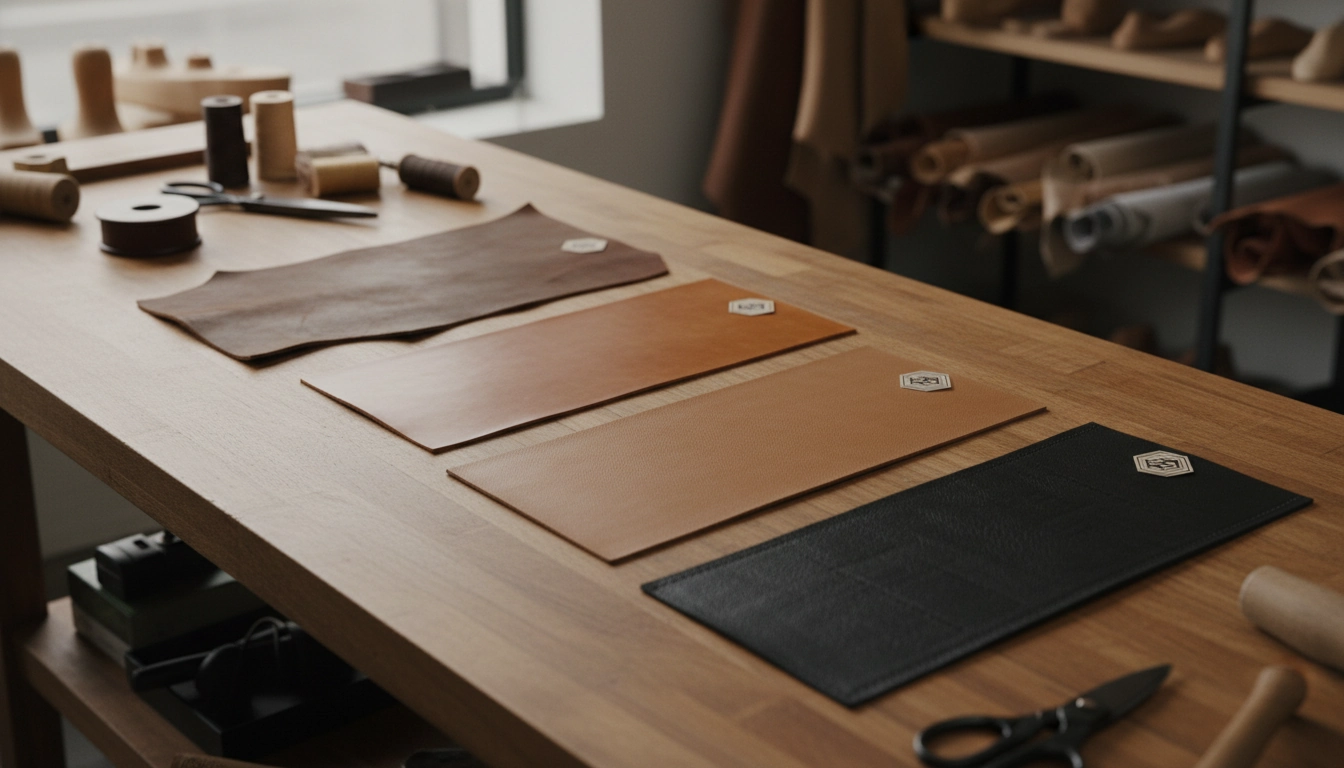
What are the four types of leather?
Leather is commonly grouped into four main types based on how the hide is processed and how much of the natural grain is preserved: full-grain, top-grain, genuine, and bonded leather. Knowing the differences makes it easier to compare durability, feel, appearance, and price—especially when shopping for everyday accessories, furniture, or fashion pieces.
Answer
1) Full-grain leather
Full-grain leather uses the outermost layer of the hide and keeps the natural grain intact. It’s known for excellent durability and for developing a rich patina over time. Because it’s minimally processed, it often shows natural markings that many people consider part of its character.
2) Top-grain leather
Top-grain leather also comes from the outer hide, but the surface is lightly sanded or corrected to create a more uniform look. It tends to be smoother and more consistent in appearance than full-grain while still offering strong wear resistance. Many premium leather goods use top-grain for its balance of looks and performance.
3) Genuine leather
“Genuine leather” indicates the product contains real leather, but it usually refers to lower layers of the hide or leather that’s been more heavily processed. It can look good at first, yet it typically won’t age as gracefully as full-grain or top-grain. Quality varies widely, so details like thickness, finish, and construction matter.
4) Bonded leather
Bonded leather is made from leather scraps and fibers that are bonded together with adhesives and coated to resemble a leather surface. It’s usually the most budget-friendly option, but it tends to be less durable and more prone to peeling or cracking over time. It’s best suited for lighter use where longevity isn’t the top priority.
For a deeper breakdown and practical buying guidance, visit https://ascend.sale/what-are-the-four-types-of-leather/.
FAQ
How can you tell if leather is real?
Check the label and examine the texture: real leather usually has subtle natural variation rather than a perfectly repeated pattern. It typically smells like hide (not plastic) and has edges that look fibrous rather than sealed and glossy.






Leave a comment